
Ophthalmology
*Ranibziumab (Ongavia) is a highly similar copy of the original
Ranibizumab molecule. The World Health Organisation (WHO) defines biosimilar as a medicine that is similar in terms of quality, effectiveness and safety to the original licensed product.
The information within this leaflet is from Ranibizumab (Lucentis) studies but applies equally to the biosimilar drug (Ongavia).
Introduction
Your eye doctor has already given you a patient information booklet called ‘Eye conditions related to diabetes’ describing diabetic eye disease and its treatment. This leaflet describes the latest treatment available to you.
This leaflet contains detailed information on a treatment with the medical name of ‘Ranibizumab’, also known as the biosimilar Ongavia. The leaflet includes information on the procedure, the risks and the benefits.
If you suffer from glaucoma / ocular hypertension, or have had an ocular hypertensive response to a previous Ozurdex implant and have been enlisted for intravitreal Ranibizumab (Ongavia) injections, please continue to take your prescribed glaucoma eye drops whilst having these injections.
What is Ranibizumab (Ongavia)?
If your doctor is suggesting Ranibizumab (Ongavia) treatment, it means your eye contains extra amounts of a substance called Vascular Endothelial Growth Factor (VEGF). It is one of the causes of leaky, abnormal blood vessels. The excess fluid that comes from these blood vessels can build up and lead to reduction in your vision.
Ranibizumab (Ongavia) is designed to block VEGF. By blocking VEGF, Ongavia may prevent damaged blood vessels from leaking fluid into the macula. It is given by a course of injections into the eye. Long-term, the number of injections will depend on how the Diabetic Macular Oedema (DMO) responds to the treatment.
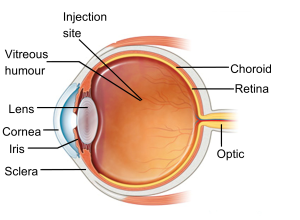
Figure 1 shows the side image of an eye (image courtesy of NHS Choices).
As your doctor has found that you have swelling affecting the centre of the retina, called Diabetic Macular Oedema (DMO), you need to be started on eye injections to treat it. These injections are currently the most effective treatment for DMO. They work by penetrating into the nerve layer at the back of the eye (the retina). The macula is the most important part of the retina and is responsible for your central vision. Over time, the injections close up the leaking blood vessels affecting the macula, which should reduce the swelling in the macula and hopefully improve your vision. Your doctor may suggest laser treatment in addition to these injections if appropriate.
Depending on how the DMO responds, these injections may be given on multiple occasions over several years in the affected eye. The number and frequency of the injections and the overall duration of treatment depends on the diagnosis and severity of the condition. Your doctor will choose and discuss the treatment plan (regimen) best suited to your eye.
How long am I consenting for treatment?
You will be given an indefinite course of treatment, unless you withdraw consent or lose capacity.
What happens during the treatment?
You should not feel any pain during the eye injections, since your eye is numbed with anaesthetic drops prior to the injections. You may feel some pressure on your eye. You will not need to stay in hospital.
After the treatment
Most patients will not have any eye drops after the injection, however, a small number of patients may be given antibiotic drops for five days after the treatment. Your doctor will discuss this with you. You can take a couple of Paracetamol tablets (500mg) in the morning of the injection or afterwards (if not allergic) if necessary.
Please continue to take any other eye drops that you already use (such as for glaucoma). After the injection, the eye will be covered by an eye shield to prevent corneal scratch / abrasion. Please keep the shield on the eye until the next morning.
Will my vision improve with the injection?
Diabetic eyes treated with Ongavia therapy gain one line of the eye chart (this is called visual acuity) compared to laser alone.
Significant numbers (two to three fold) of patients gain two to three lines of the eye chart compared to laser alone.
Significantly less numbers of patients (two to three fold) lose two to three lines of the eye chart compared to laser alone.
What are the benefits?
The benefits of the treatment are:
What are the risks of having the injections?
You need to know about the side effects:
What are the alternatives?
Currently, other licensed anti-VEGF treatments for DMO apart from Ranibizumab (Ongavia) are Aflibercept (Eylea) and Faricimab (Vabysmo) intravitreal injections.
Is there any reason why I cannot have the injections?
‘One Stop Service’
The Trust is introducing a ‘One Stop Service’ for some intravitreal injections. A ‘One Stop Service’ is where an injection may be offered on the same day you attend the eye clinic. This may result in you having an extended waiting time in clinic, but it will mean you do not have to return on a separate occasion for your eye injection. A doctor or nurse will discuss this with you in the clinic.
Advice after eye injections
What should I expect after the injection?
Your eye may feel painful for 24 to 48 hours. If necessary, you can take painkillers such as paracetamol or ibuprofen if you can take them (always read the label; do not exceed the recommended dose). If the eye becomes significantly red and painful with reduced vision, contact the Urgent Referral Team immediately on 01384 456111 ext. 3633.
It is best to avoid products containing aspirin. However, if you take regular soluble aspirin (75mg), you can continue to take it as advised by your GP.
If you have bruising on or around the eye, this should fade gradually over the next couple of weeks.
At times, a tiny air bubble can be introduced into the eye during the injection. This appears as a round, dark floater in the centre of your vision the day after the injection. Do not be alarmed, as this will get smaller and should disappear within 48 hours.
Rarely, the surface of the eye can get scratched during the injection process. This can cause sharp, sudden pain three to six hours after the injection. If this happens it is easy to treat, so please get in touch with the Urgent Referral Team, Russells Hall Hospital Eye Clinic on 01384 456111 ext. 3633 (9am to 4.30pm, Monday to Friday).
What do I need to do?
Please ensure you wash your hands with soap and water before and after removing the eye pad or administering any eye drops.
If you have an eye pad to prevent the cornea from being scratched or damaged, you can gently remove this the next morning. The eye pad may be slightly bloodstained, but this is nothing to worry about.
You can clean your eye the morning after your injection with cool boiled water and a small piece of cotton wool or lint. Close your eye first, and then gently wipe from the inner corner to the outer corner of the eye, using a fresh piece of cotton wool or lint each time and for each eye.
If you were prescribed antibiotic eye drops to use at home, continue to use them for five days. If you have been prescribed glaucoma eye drops, you should use them on the morning of the injection, but not after the injection for the rest of that day. The next day you should start your glaucoma eye drops again using a new bottle.
What if I have any problems or questions after reading this leaflet?
If there is anything you do not understand, or you are concerned or worried about any part of the treatment, contact:
The Urgent Referral Clinic team at Russells Hall Hospital Eye Clinic on 01384 456111 ext. 3633 (9am to 4.30pm, Monday to Friday).
Eye emergency, out of hours
In case of an eye emergency after the closing hours of the Eye Clinic at Russells Hall (including weekends and bank holidays), please contact:
Birmingham and Midland Eye Centre on 0121 507 4440
The doctor on call is usually based at the Eye Centre, City Hospital, Dudley Road, Birmingham. They may need to call you back, and if necessary, they will arrange for you to visit them.
Note: the information in this booklet is provided for information only. The information found is not a substitute for professional medical advice or care by a qualified doctor or other health care professional. Always check with your doctor if you have any concerns about your condition or treatment. This is only indicative and general information for the procedure. Individual experiences may vary and all the points may not apply to all patients at all times. Please discuss your individual circumstances with your eye doctor.
Author: Mr S Shafquat FCPS FRCS FRCOphth Consultant Ophthalmologist, Retina Lead
Further reading please search – Diabetic Macular Oedema / Ongavia injections on:
NICE (National institute for Health and Care Excellence)
The Royal College of Ophthalmologists
RNIB (Royal National Institute for the Blind)
The Macular Society UK
If you have any questions, or if there is anything you do not understand, please contact the Russells Hall Hospital switchboard number on 01384 456111 and ask for the relevant department who issued this leaflet.
If you have any feedback on this patient information leaflet please email dgft.patient.information@nhs.net
This leaflet can be made available in large print, audio version and in other languages, please call 0800 073 0510.
Ongavia DMO/SS/ST/DP/05 2026/v4 – Review 02 2029 Ref: DGH/PIL/01160