
Community vaccination pilot increases maternal vaccine uptake and improves equity of access in Dudley
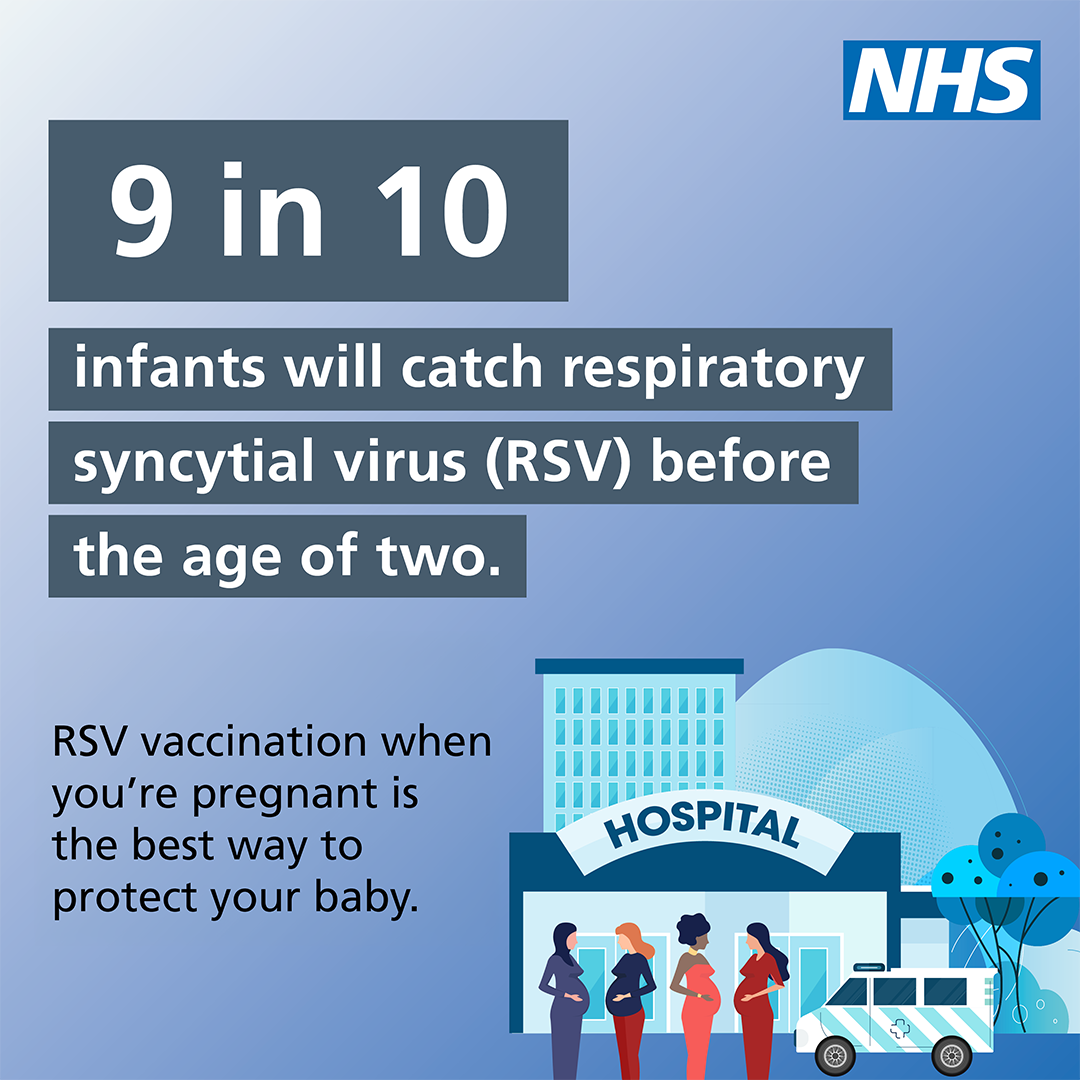
A pioneering community vaccination pilot in Dudley has significantly increased uptake of maternal vaccinations and improved equitable access for pregnant women who may otherwise miss opportunities to be vaccinated.
Launched in response to the national rollout of the RSV vaccination programme in September 2024, the Dudley Community Vaccination Pilot was co-produced by the Black Country Integrated Care Board (ICB) Vaccinations and Immunisations Team and The Dudley Group NHS Foundation Trust (DGFT).
Prior to the pilot, RSV vaccination uptake locally stood at 34 per cent, below the national ambition of 50 per cent. It was identified that women on a Midwife Led Care (MLC) pathway who are typically seen in community settings rather than hospital antenatal clinics, were less likely to encounter vaccination teams and therefore faced inequitable access.
To address this, midwife vaccinators proactively contacted eligible women, offering personalised telephone consultations to support informed choice. Where consented, appointments were made at local community family hubs in Brierley Hill and Lye.
Between February and December 2025, 434 were vaccinated across 78 clinics resulting in an overall RSV vaccination uptake increase from 34 per cent pre-pilot to 46 per cent.
Across RSV, pertussis and seasonal flu vaccinations, the community offer contributed to a combined 19 per cent increase in uptake.
The hubs were deliberately located in areas of higher deprivation, following feedback from women highlighting the importance of accessible venues, free parking, public transport links and trusted midwife led conversations.
Women described the service as “easy to get to”, “friendly and welcoming”, and said they were “much less likely to get the vaccine if the only place on offer was hospital”.
Liz Punter, Public Health Project Midwife at DGFT, said: “By reducing barriers to access and enabling more in-depth vaccination discussions outside routine antenatal appointments, the pilot has helped narrow variation in access between hospital-based and community-based maternity pathways.
“Increased maternal vaccination protects newborn babies from severe respiratory illness, reduces avoidable hospital admissions and supports our sickness to prevention shift which is one of the three core pillars of the NHS 10-Year Health Plan.”
Following the demonstrable improvement in uptake and positive patient feedback, the pilot has been extended to March 2026. Findings have been shared across the Local Maternity and Neonatal System (LMNS) and wider ICB networks, with other Trusts exploring replication of the model.
This collaborative approach demonstrates how system-wide partnership working, community-based delivery and proactive engagement can improve health outcomes, reduce inequalities and strengthen prevention for mothers and babies.