
Ophthalmology
Eye problems – uveitis
Patient Information Leaflet
This leaflet has been written to help you understand more about an eye condition called uveitis. It has information on what it is, how it is caused and how it can be treated.
What is uveitis?
The uvea is a dark coloured layer inside the eye. Uveitis is inflammation of this layer. The uvea is made up of three parts:
- Iris – this is the coloured part of the eye, seen towards the front, with the pupil in the centre (see figure 1).
- Choroid – this is at the back of the eye near the retina.
- Ciliary body – this is in between the iris and the choroid.
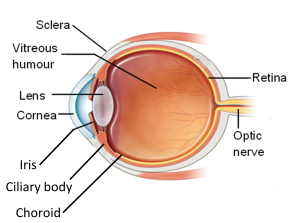
Figure 1 shows the side image of an eye (image courtesy of NHS Choices)
There are different types of uveitis:
- Anterior uveitis – also called iritis or iridocyclitis. This is inflammation affecting mainly the iris and to some extent ciliary body parts of the uvea.
- Intermediate uveitis – also called cyclitis. This is inflammation affecting mainly the ciliary body.
- Posterior uveitis – also called choroiditis. This is inflammation mainly in the choroid part of the uvea. It may also affect the nearby retina.
- Panuveitis – when inflammation affects all three parts of the uvea.
What causes uveitis?
- In most cases, it is caused by an auto-immune reaction. This means that your immune system attacks healthy cells in your body by mistake. No one is sure what causes this to happen. The attack causes inflammation and damage. Because the body’s immune system is involved, this type of uveitis may be associated with similar inflammatory reaction in some other parts of the body.
- There are a number of cases where no cause of uveitis could be found.
- In a small number of cases, it can be caused by an infection in the eye, which could be due to bacteria, a virus, fungus or a parasite infection. It may be associated with similar infections in some other parts of the body.
- Injury to the eye may also cause uveitis.
- Rarely, some tumours may also present as uveitis
What are the symptoms of uveitis?
Depending upon which part of the uvea is involved, you may get the following symptoms:
- Pain and redness in the eye.
- Sensitivity to light.
- Floaters
- Blurred or cloudy vision.
Will I need investigations?
The doctor will take a thorough history to find out if any other disease of the body is associated with uveitis.
You may be specifically asked about joint and back problems, skin disease, chest problems, ear / nose / sinus problems, neurology problems, stomach and kidney problems, mouth / genital ulcers and sexually transmitted diseases.
Depending on the clues from history, the severity of the condition, recurrent episodes and whether both eyes are involved, doctors may decide to do some blood tests, X-rays, a scan of the eye and special photographs of the eye after injecting a dye into your arm.
If there are any indications that other parts of the body may be involved, you may also be referred to specialists in those areas.
What is the treatment?
If the uveitis is due to infection, it is treated with a suitable medication, such as antibiotics or anti-viral drugs.
For other causes, it is treated by a medication called steroids. Steroids help to control the inflammation. Depending on the type of inflammation and how severe it is, steroids may be given as eye drops, an injection in or around the eye, tablets or a steroid implant injected into the eye. In addition to steroid drops, you may also be given drops to open the pupil and relax muscles of the eye. This will cause temporary blurring of vision.
In more advanced cases where an auto-immune reaction is causing the problems, your eye doctor may suggest using strong drugs to suppress your immune system. If these are suggested, your eye doctor will discuss this with you in more detail.
What are the benefits of the treatment?
Treating and controlling the inflammation quickly could avoid permanent damage to the eye and your vision.
What are the risks and side effects of the treatment?
If you use steroid eye drops, this could cause high pressure in the eye, early cataracts and you may be more at risk of getting an infection in your eye.
The main risks and side effects of steroid tablets are
- high blood pressure;
- diabetes, or worsening of diabetes;
- weak bones (osteoporosis);
- weight gain;
- anxiety, depression or mood changes;
- indigestion;
- stomach ulcers;
- a cataract and
- Glaucoma
What can I do at home to help myself?
- Take the treatment regularly as advised.
- Do not stop taking your eye drops or tablets suddenly, even if you feel your eye is ok, as your symptoms may come back. Get repeat prescriptions of the medicines well in advance.
- Do not miss clinic appointments, even if you feel your eye is totally recovered. At every visit, your pupils could be dilated, therefore do not drive yourself to your appointment.
- If the symptoms get worse or you notice new symptoms, you need to seek advice immediately from the Urgent Referral Clinic team at Russells Hall Hospital Eye Clinic on 01384 456111 ext. 3633 (9am to 4.30pm, Monday to Friday).
What if I have any problems or questions after reading this leaflet?
If there is anything you do not understand, or you are concerned or worried about any part of the treatment, contact:
The Urgent Referral Clinic team at Russells Hall Hospital Eye Clinic on 01384 456111 ext. 3633 (9am to 4.30pm, Monday to Friday).
Eye emergency, out of hours
In case of an eye emergency after the closing hours of the Eye Clinic at Russells Hall Hospital (including weekends and bank holidays), please contact:
Birmingham and Midland Eye Centre on 0121 507 4440
The doctor on call is usually based at the Eye Centre, City Hospital, Dudley Road, Birmingham. They may need to call you back, and if necessary, they will arrange for you to visit them.
Note: the information in this booklet is provided for information only. The information found is not a substitute for professional medical advice or care by a qualified doctor or other health care professional. Always check with your doctor if you have any concerns about your condition or treatment. This is only indicative and general information for the procedure. Individual experiences may vary and all the points may not apply to all patients at all times. Please discuss your individual circumstances with your eye doctor.
Author: Mr S Shafquat FRCS FRCOPphth Consultant ophthalmologist Retina lead
If you have any questions, or if there is anything you do not understand, please contact the Russells Hall Hospital switchboard number on 01384 456111 and ask for the relevant department who issued this leaflet.
If you have any feedback on this patient information leaflet please email dgft.patient.information@nhs.net
This leaflet can be made available in large print, audio version and in other languages, please call 0800 073 0510.
Uveitis SS/RCB/ST/09 2024/v4– review 06.2027 DGH/PIL/02077