
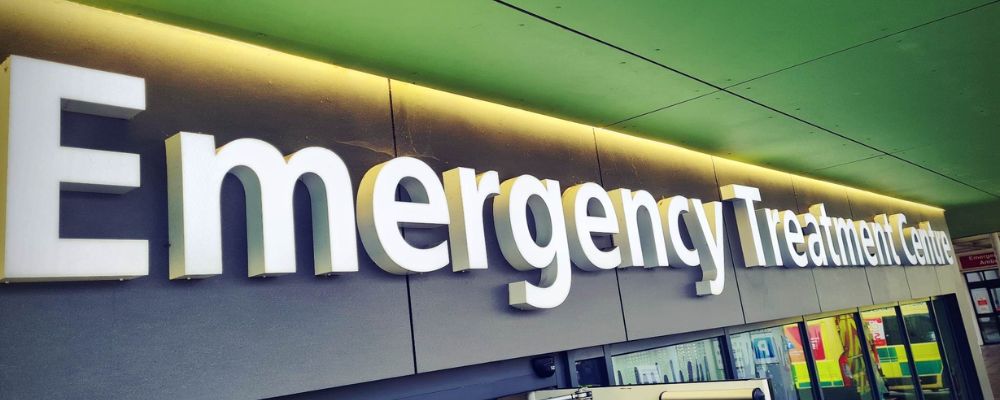
Emergency Medicine Day is an international awareness event dedicated to recognising the lifesaving work of emergency care professionals. This year’s theme – Ending Violence and Aggression in Emergency Care – shines a spotlight on a growing issue affecting NHS teams across the country.
Frontline clinicians, nurses, healthcare assistants, reception teams and support staff continue to face verbal abuse, threats, intimidation and physical assaults while delivering essential care. National NHS data shows that violence against staff contributes to increased sickness absence, reduced morale, and higher turnover, with many leaving the profession earlier than planned. These pressures directly affect patient experience, waiting times and the overall resilience of emergency services.
Sanna Yafai, A&E Senior Sister at the Midland Met Hospital explained: “As a qualified nurse for over 14 years, I’ve spent nearly five years working on the frontline of medicine caring for patients who need emergency treatment. Sadly, violence and aggression has become the norm, and my colleagues and I experience some form of abuse on a daily basis. It is disheartening as we chose this profession in order to help people, and those that threaten or abuse us cause more harm than they see. The aftereffects can be significant as we have to carry the experience with us, even after finishing a shift, the memory of abuse comes home with us.”
The statistics show a startling leap in the number of incidents of abuse towards staff over the last year. At the Midland Met there were over 2000 recorded incidents, with 50 per cent occurring in the A&E department. This is almost quadruple the number recorded for the previous year, showing a worrying trend of abusive behaviour becoming normalised in healing environments.
Dr Benjamin Jefferies, Emergency Medicine Registrar at Russells Hall Hospital commented: “Violence and aggression is something we deal with all the time, from verbal abuse to actual physical attacks. I have personally been assaulted multiple times and seen other colleagues assaulted, which obviously has a significant impact as it affects our ability to do our job immediately following the incident, and for longer afterwards as we have to deal with the individuals and the harm their abuse has caused.
Diane Wake, Group Chief Executive, said: “It is simply not acceptable for any member of staff to face violence, aggression or abuse while doing their job. Our teams come to work to care for people at their most vulnerable, and the impact of abusive behaviour is profound. It leads to decreased morale, lost working days and, tragically, it pushes talented and compassionate people away from the caring profession altogether.”
Dr Jonathan Odum, Group Chief Medical Officer added: “The majority of our patients are very grateful and appreciative of the care we give them, but there remains a significant number who disrupt the environment and work of our clinical colleagues. Unfortunately, the number of incidents reported is growing which is a huge concern as the impact on the whole team following an incident can take a long time to settle. Patient care will undoubtably be affected if this behaviour continues to escalate.”
Both Trusts are reinforcing their commitment to creating safe environments for staff and patients, including strengthened security measures, enhanced reporting processes, and public awareness campaigns encouraging respectful behaviour.
Emergency Medicine Day serves as a reminder that emergency and urgent care teams are there to help everyone who walks through their doors. NHS leaders are urging the public to support staff by showing patience, understanding and kindness especially during periods of high demand.