
Maternity
Introduction
This leaflet is for anyone who is pregnant, may be at risk of birth related tears or has recently given birth. It explains third and fourth degree tears. You will learn what these tears are, why they can happen, and how they are treated, so you know what care and support are available for recovery.
What is a third or fourth degree tear?
A tear is as it sounds, it is a type of injury to the vaginal tissues and muscles that happens during birth. It occurs when the skin and tissues between the vagina and anus (the perineum) stretch to allow the baby to pass. These tears occur spontaneously as the baby is born.
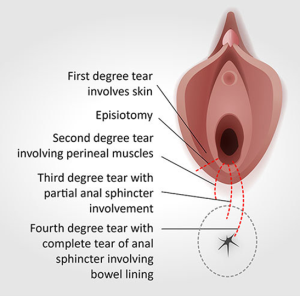
We classify them depending on which tissues are affected:
Third and fourth degree tears are sometimes called OASI (Obstetric Anal Sphincter Injuries).
Am I at risk of developing an OASI?
It is not possible to predict who will have a third or fourth degree tear. However, although they are not common, they are a recognised complication of vaginal birth. You may be at an increased risk if:
Note: Even if you don’t have risk factors tears can still happen.
How We Help Prevent Tears: The OASI Care Bundle
At our Trust, we use the OASI Care Bundle to help reduce the risk of severe tears:
We will also talk to you about an episiotomy.
What is an Episiotomy?
An episiotomy is a cut made by a midwife or doctor into the perineum (the area between the vagina and anus) to make more space for your baby to be born.
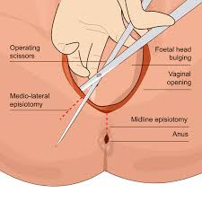
This is only done with your consent. It may be needed if your baby needs to be born quickly, if you are having an assisted birth, or if you are at risk of a serious tear. Episiotomies are stitched after birth and usually heal quickly.
Can you tell if I have this type of tear?
Yes. Your midwife or doctor will examine you carefully after your baby is born. They will check your vagina and back passage even if your vaginal wall is intact. This will help us determine what type of tear you have and how best to repair or stitch it.
Will it hurt?
We will give you pain relief to stop it hurting when we are repairing your tear. Our aim is to repair the tear as quickly as possible to reduce the risk of bleeding:
What happens after?
What can I do to help?
Before birth from 35 weeks of pregnancy, you may choose to do gentle perineal massage. This involves using your thumbs or fingers to gently stretch and massage the skin and muscles between your vagina and anus. Doing this regularly can help the perineal tissues become softer and more flexible, which may make them less likely to tear during birth. Research shows that perineal massage can:
Following the birth of your baby where possible, a member of the therapy team will see you on the postnatal ward before you go home to give you advice and to teach you pelvic floor exercises. However, if you are unable to be seen, you can find information and advice on pelvic floor exercises in the ‘Advice and exercise after childbirth’ leaflet. We will give you this leaflet when you leave hospital.
At Dudley, we also offer access to the Squeezy app, which supports you to strengthen your pelvic floor with easy exercises, reminders, and progress tracking.

The app is free to download, but you will need to visit the website below to activate your free access:
Dudley Perinatal Pelvic Health Clinic – Living With
It is important to do these exercises correctly as they help the damaged muscles to work better.
Looking After the Area as You Heal
It is important to keep the area clean and dry. You should have regular baths or showers, especially if you have opened your bowels.
How will I be followed up?
A member of the therapy team will try to contact you by phone six to eight weeks after you give birth. During this phone call, the therapist will discuss your symptoms with you, give you advice and offer you the opportunity to come in for a full assessment and treatment.
We will also send you an appointment for a 12 week postnatal check to see your consultant at the hospital. The consultant will ask you questions and examine you; firstly, to check the stitches have healed properly and secondly to check the function of your pelvic floor muscles.
It is important not to be embarrassed and to tell us if you have any problems. These might include incontinence which may be:
This is an uncommon problem but we need to know about it. It may be necessary for you to have some more tests to check if the muscle in the back passage is healed and functioning properly.
During this appointment, the consultant will discuss any concerns you may have about future pregnancies or deliveries.
If you do not receive an appointment, contact your consultant’s secretary.
Can I find out more?
You can find out more from the following weblinks:
Black Country Perinatal Pelvic Health Service
BabyCenter
http://www.babycenter.com/0_perineal-tears_1451354.bc
Royal College of Obstetricians & Gynaecologists
If you have any questions, or if there is anything you do not understand, please contact the Russells Hall Hospital switchboard number on (01384) 456111 and ask for the relevant department who issued this leaflet.
This leaflet can be made available in large print, audio version and in other languages, please call 0800 073 0510.
Originator: Maternity Documentation Group. Date reviewed: August 2025 Next review due: August 2028. Version: 4